Photographic Genres
Photojournalism
Photojournalism is about being in the right place at the right time. As the name suggests, they are people who catch spectacular moments, like a journalist article, but a photo. They are often very breathtaking and hard to believe photos which usually require a lot of travelling.
They can also be very horrific, taking place in scenes like riots, wars and countries which are being oppressed. They are supposed to be images that catch the eye, both by shocking the viewer and by captivating them.
They can even go to events like concerts or the Olympics, taking professional photos of the events.


Editorial Photography
Editorial Photography is similar to Photojournalism but instead of focusing on quality of the photo they focus more on actually getting the photo. These people are the people who take photos for newspaper stories, which means they focus on quantity, not quality, as newspapers do not have high quality printing.
However, if the editorial photography is for a magazine, a little more thought may be put into it, as the printing quality is much clearer, and the magazine wants to draw attention. Newspapers draw attention with large headlines, whilst magazines find it easier to draw attention with a nice, eye catching photo on the front page.The National Geographic photographers are a good example of this, using breathtaking pictures of nature to boost their readers.
Editorial photography can also be used for film, too. It is often used in documentaries.


Commercial and Advertising Photography
This type of photography is used in advertisements. It is usually very, very clean and very professional, and most of the time edited significantly to look perfect. This is a tactic to draw the viewer in, so they can consider buying the produce. In magazines and newspapers, usually these take up an entire page. Light colours on dark, or grayscale on black, are the most common tactics used in this kind of photography, as it works well. In advertisements for cars, they often use motion blurs and reflections to make the picture jump out at the viewer.

Portrait Photography
Portrait photography is often for personal use and is, well, what the title says. It is used to take professional pictures of peoples faces. The photos are usually depicting expressions, personality and mood. The focus of the photo is almost always the face, but it can become a bust too.
Portrait photography was some of the first kind of photography, coming along with the first cameras, it is generally more popular than painting portraits.


Fine Art Photography
Fine Art photography is based on the vision of the photographer who took the picture. It can be taken in any context. It is the opposite of photojournalism, the photographers thoughts coming before the event thats happening in the image. Its function is to serve as a gateway into the artists mind. You would find this kind of photography in a photographers magazine or on the artists webpage. The visual language of the pieces is moreso to make you think of what the person behind the camera was thinking, not the subject matter.

Abstract Photography
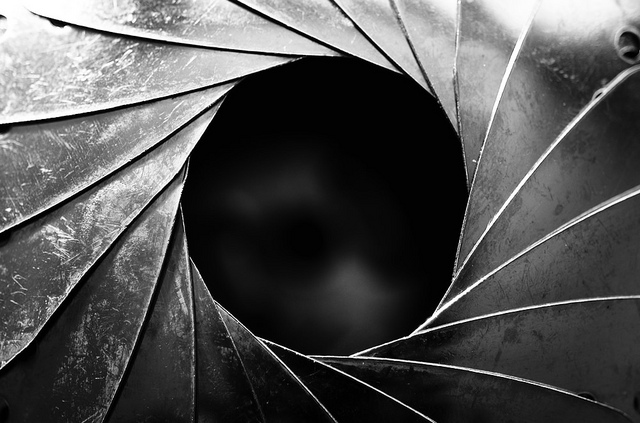
Abstract Photography focuses on shape and form. Most of the time it is a macro shot or something where the actual subject matter is not entirely visible, most of the time so that the viewer is not entirely sure what it is. The subject of abstract photography is not usually the actual subject, but its patterns, forms and angles.
Abstract photography is usually seen in photography galleries or magazines. It can be used in almost any field, however, because it is an expressive form of photography.